-
Design Miami 2026
December 1-6 - Miami Beach -
You know the icons, now meet the hidden gems.
Hidden Treasures unveils the factories, stores and workshops behind Brazil's mid-century design, many of them misattributed or lost for decadesAt Design Miami 2026, Bossa presents Hidden Treasures, an ongoing exploration of the overlooked companies that shaped Brazilian design history. The presentation responds to the fair’s theme, Unveiling, through the factories, furniture stores, and workshops that brought modernism into Brazilian homes.
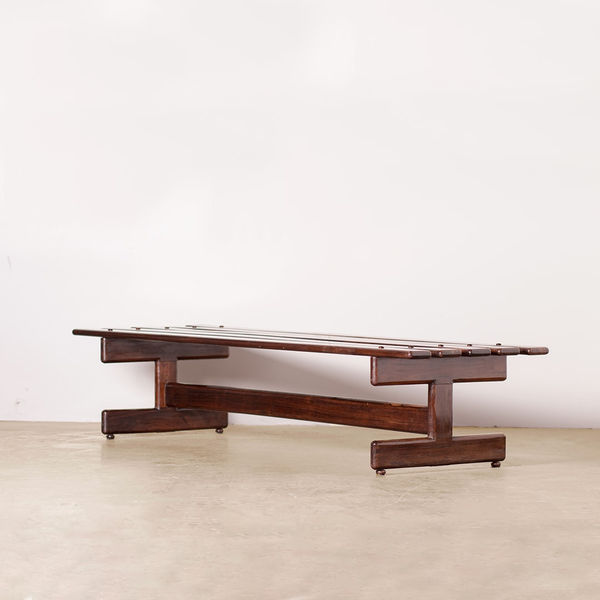
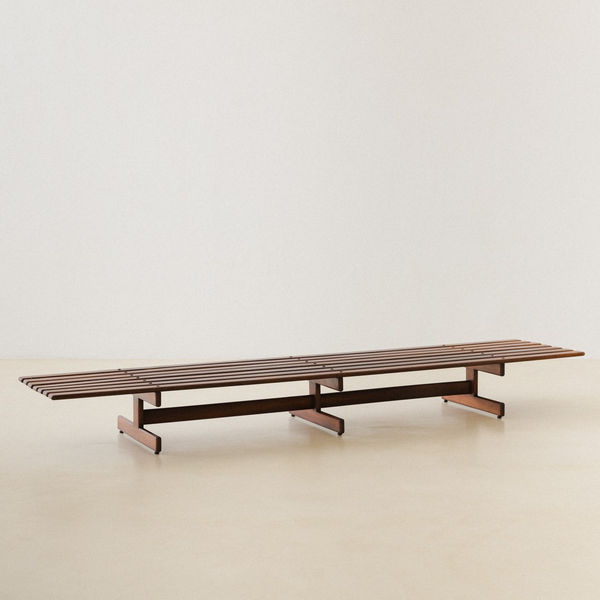
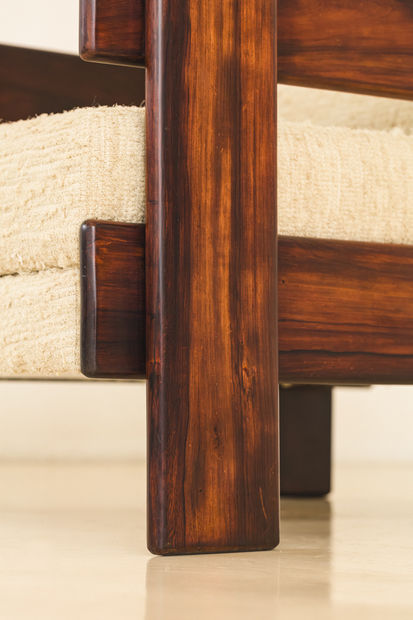
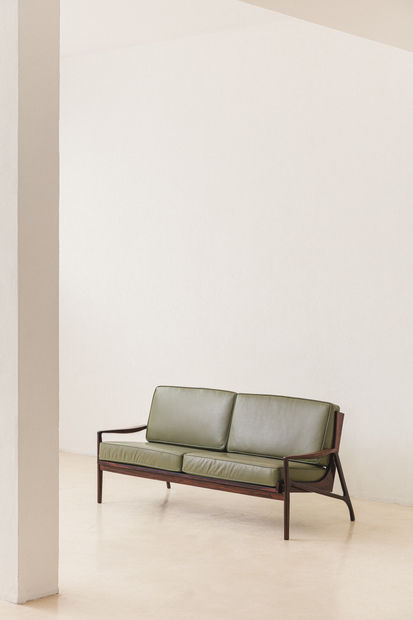
For more than five years, the Bossa team has researched period magazines, company catalogs, newspaper advertisements, and the objects themselves, uncovering narratives on the verge of being forgotten. These stories extend beyond the celebrated masters, shedding light on the stores, makers, and local scenes that sustained and expanded Brazil’s modern design movement. At the fair, pieces are presented as evidence: some restored, others exactly as they were found, carrying stamps, original finishes, and marks of use that help establish or correct an attribution.
The pioneers will always hold their rightful place in history, but Hidden Treasures brings the focus to the networks and ideas that supported their success, as well as the second generation of designers who followed. Through these makers, the project explores a pivotal moment when industry and design converged in Brazil, bringing modern furniture to a broader audience.Unlike the radical experimentation seen elsewhere, the late 1960s was marked by a pragmatic approach to design, when mid-century modern aesthetics became accessible to the upper-middle class. This era presents significant industrial growth, as companies invested in worker training, expanded operations, and established multiple locations—often bridging São Paulo and Rio de Janeiro. This industrialization brought modern design into everyday life, making it both functional and aspirational.
-
Among these companies, Móveis Cimo stands out. More than just an industry, Cimo left an enduring legacy in Brazilian design history. It furnished public buildings, theaters, cinemas, and schools while also catering to the growing demand for modern design in private homes. As "modern" became synonymous with "trendy," Cimo developed a line that brought mid-century aesthetics to a broader audience, balancing functionality with style.
Móveis Cimo’s reach extended through nationwide advertisements in magazines such as Manchete during the late 1960s. Intriguingly, a decade earlier, Manchete’s owner, the visionary Adolpho Bloch, had chosen works by Joaquim Tenreiro and Sergio Rodrigues—icons of bespoke modernism—for his buildings and residences. This juxtaposition reveals a fascinating evolution from high-art craftsmanship to accessible, industrially produced modern design.
-
MÓVEIS CIMO
-

-
-
OUR COLLECTION
-
Celina Decorações further exemplifies this evolution. Founded in 1938 in Rio de Janeiro, it became a cornerstone of Brazilian modernist furniture design under Munis Zilberberg’s leadership. The company gained national prominence by blending industrial production with artisanal craftsmanship. Zilberberg’s innovative contributions to A Cigarra magazine elevated Celina’s influence, using the platform to offer interior design advice and showcase aspirational settings. This approach democratized modern aesthetics while cementing Celina Decorações’ role as a trailblazer in Brazilian design culture.
-
CELINA DECORAÇÕES
-
-
-
OUR COLLECTION
-
CANTÙ MÓVEIS
-
-
OUR COLLECTION
-
Casulo remains one of Brazilian design’s most intriguing mysteries. Beyond a few surviving references and images, little is known about the company or its creators. Yet, even with sparse documentation, we have identified and cataloged several remarkable pieces: a chair with armrests, a sofa and armchairs set, and a hammock. These designs reveal a deep understanding of both form and functionality, suggesting the work of skilled craftsmen. Casulo’s anonymity underscores the broader challenge of preserving the stories of smaller manufacturers that contributed to Brazil’s rich design history. At Bossa, our ongoing research seeks to uncover more about Casulo, with the hope that future discoveries will bring clarity to its role in Brazilian modernism.
Founded in Rio de Janeiro during the 1960s by architects Guilherme Nunes and Sávio Visconti, Fátima Arquitetura e Interiores (FAI) became a vibrant hub where architecture, decoration, and art intersected. FAI’s gallery not only showcased furniture but also served as a platform for artistic expressions tied to architectural principles, enriching the creative scene of its time. The company made a lasting impact by organizing furniture design contests, fostering innovation and collaboration. Its furniture stood out for its clean lines, precise craftsmanship, and the thoughtful use of premium materials like rosewood, leather, cotton fabrics, and straw—an enduring legacy in Brazil’s design history. -
CASULO
-
-
OUR COLLECTION
-
FÁTIMA ARQUITETURA E INTERIORES
-
-
OUR COLLECTION
-
LICEU DE ARTES E OFÍCIOS
-
-
MÓVEIS PAILAR
-
-
OUR COLLECTION
-
NOVO RUMO
-
-
OUR COLLECTION
-
Even after years of research, some pieces remain shrouded in mystery, their creators unknown. At Bossa, we continue to present these works for a simple reason: their intrinsic value transcends attribution. By celebrating the pieces themselves—admiring their form, craftsmanship, and presence—we ensure that the art is valued on its own merit, not merely through the name of its creator. This philosophy embodies the purity of appreciation for design and serves as a reminder that the object itself holds the story, waiting to be uncovered.
The absence of documentation is both a challenge and an opportunity—a chance to uncover untold stories. At Bossa, every piece is treated as a puzzle, with every detail offering a clue. Through diligent research and analysis, we aim to illuminate the contributions of these unknown creators, restoring their rightful place in the history of Brazilian modernism.These exceptional works reflect the creativity and skill of anonymous artisans, standing as a testament to the vibrant design culture of their era.
-
UNKNOWN
-
-
OUR COLLECTION